
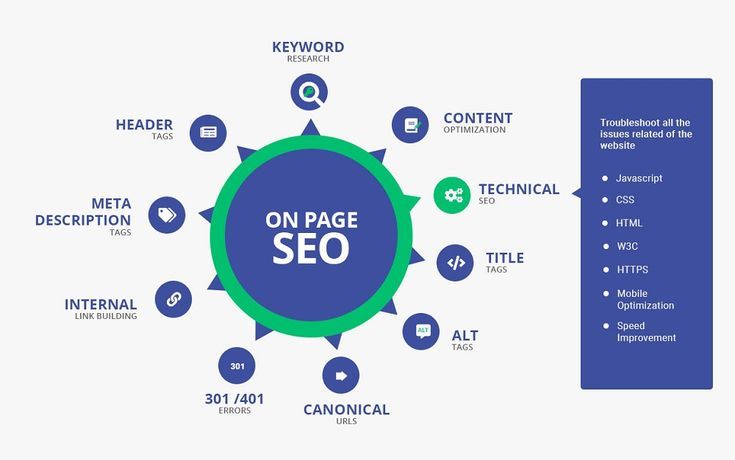
In the online landscape, establishing a website is merely the initial step.Numerous companies produce top-notch content, invest in attractive website designs, and provide outstanding products or services, yet they find it challenging to rank on the first page of search engine results.This occurs because search engines require clear indicators to comprehend and evaluate web pages.This is why on-page SEO is crucial.
Without proper optimization, even the most valuable content can remain invisible to potential customers. By implementing effective on page SEO techniques, businesses can improve their search rankings, attract relevant traffic, and provide a better user experience.
What Is On Page SEO?
On-page SEO refers to the process of optimizing individual web pages to improve their visibility in search engine results. It involves optimizing both content and HTML elements on a webpage so that search engines can easily understand the page’s topic and relevance.
Unlike off-page SEO, which focuses on backlinks and external signals, on page SEO is entirely within your control. It helps search engines determine whether your content matches a user’s search intent.
Some important aspects of on-page SEO include:
- Title tags
- Meta descriptions
- Header tags
- URL structure
- Keyword optimization
- Internal linking
- Image optimization
- Content quality
- User experience
Why Is On Page SEO Important?
Search engines like Google aim to provide users with the most relevant and valuable content. Proper on page SEO helps search engines understand your content while improving the experience for visitors.
Benefits of on page SEO include:
- Higher search engine rankings
- Increased organic traffic
- Better user experience
- Improved click-through rates
- Higher engagement and conversions
- Stronger website authority
A well-optimized page not only ranks better but also keeps users engaged and encourages them to explore more content on your website.
Key Elements of On Page SEO
1. Keyword Research and Placement
Keyword research is the foundation of successful SEO. Before creating content, identify the keywords your audience is searching for.
For example, if your primary keyword is on-page SEO, related keywords may include:
- SEO optimization
- Search engine optimization
- SEO best practices
- Website optimization
- Technical SEO
- Content optimization
Use keywords naturally in:
- Title
- Introduction
- Headings
- URL
- Meta description
- Image alt text
- Conclusion
Avoid keyword stuffing, as it can negatively impact rankings.
2. Create High-Quality Content
Content remains one of the most important ranking factors. Search engines prioritize content that provides useful information and answers user queries effectively.
Good content should be:
- Original
- Informative
- Well-structured
- Easy to read
- Updated regularly
Focus on solving user problems rather than simply targeting keywords.
3. Optimize Title Tags
The title tag is one of the first things users see in search results.
Example:
What Is On-Page SEO? Complete Guide for Beginners
Best practices include:
- Keep titles under 60 characters
- Include the primary keyword
- Make it compelling for users
An optimized title can significantly improve click-through rates.
4. Write Effective Meta Descriptions
A meta description summarizes the content of your page.
Example:
“Learn what on-page SEO is and discover practical strategies to improve rankings, traffic, and user experience with this complete guide.”
Keep meta descriptions between 150-160 characters and include your target keyword naturally.
5. Use Proper Header Tags
Headers help organize content and improve readability.
Structure your content using:
- H1 for the main title
- H2 for primary sections
- H3 for sub-sections
A clear heading structure helps both users and search engines understand your content.
6. Optimize URL Structure
URLs should be short, descriptive, and keyword-rich.
Good URL Example:
yourwebsite.com/on-page-seo-guide
Poor URL Example:
yourwebsite.com/page?id=12345
Clean URLs improve user experience and search engine crawling.
7. Internal Linking
Internal linking connects one page of your website to another relevant page.
For example, while discussing on-page SEO, you can naturally link to topics such as:
- Technical SEO
- Local SEO
- Content Marketing
- Keyword Research
- Link Building
Internal links help distribute authority across your website and encourage users to spend more time exploring your content.
8. Optimize Images
Images improve engagement, but they should also be optimized.
Image optimization tips:
- Compress large images
- Use descriptive file names
- Add keyword-rich alt text
- Choose relevant visuals
Optimized images improve page speed and accessibility.
9. Improve Page Speed
A slow website can increase bounce rates and hurt rankings.
Ways to improve page speed:
- Compress images
- Enable browser caching
- Minimize unnecessary code
- Use a reliable hosting provider
Fast-loading pages provide a better user experience and improve SEO performance.
10. Focus on User Experience
Search engines increasingly prioritize user experience signals.
Ensure your website is:
- Mobile-friendly
- Easy to navigate
- Secure (HTTPS)
- Fast-loading
- Visually appealing
A positive user experience often leads to better rankings and higher engagement.
Common On-Page SEO Mistakes to Avoid
Many websites fail to rank because of avoidable mistakes such as:
- Keyword stuffing
- Duplicate content
- Missing meta descriptions
- Broken internal links
- Slow page speed
- Poor mobile optimization
- Thin content
Regular SEO audits can help identify and fix these issues before they impact performance.
Conclusion
Understanding and implementing on -page SEO is essential for improving website visibility and attracting organic traffic. From keyword optimization and content creation to internal linking and user experience, every element contributes to better search engine rankings.
By following proven SEO best practices, businesses can create pages that satisfy both users and search engines. Whether you are a beginner or an experienced marketer, investing time in on page SEO can deliver long-term growth and sustainable online success.
Frequently Asked Questions
1. Can On Page SEO Alone Help My Website Rank on Google?
On page SEO is a critical ranking factor, but combining it with off-page SEO, quality backlinks, and technical SEO often produces the best results.
2. How Often Should I Update My On-Page SEO Strategy?
Review and update your content regularly, especially when search trends, algorithms, or user behavior change.
3. What Is the Most Important Element of On-Page SEO?
High-quality content is often considered the most important factor because it directly addresses user intent and engagement.
4. Does Internal Linking Really Improve SEO Performance?
Yes, internal linking helps search engines discover content, distributes authority across pages, and improves user navigation.
5. How Long Does It Take to See Results From On-Page SEO?
Results vary depending on competition and website authority, but noticeable improvements often appear within a few weeks to several months.